|
|
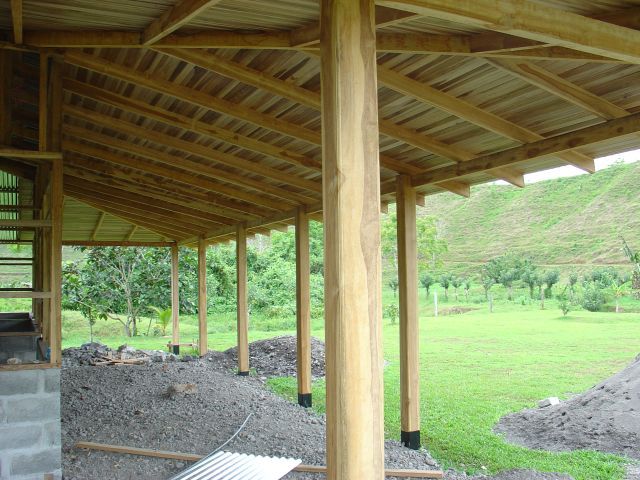
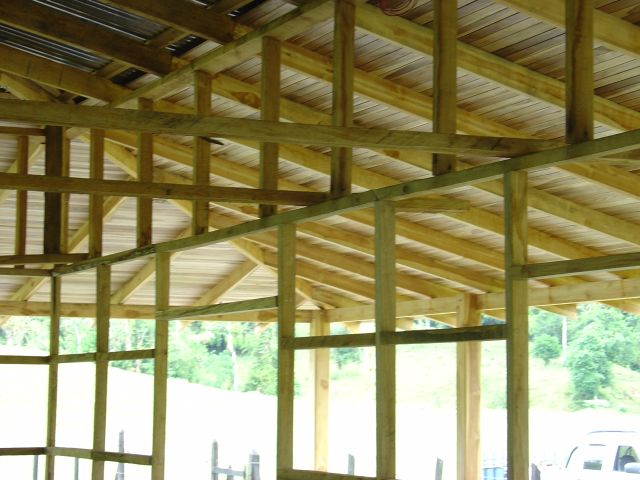
We built a house using first thinnings of teak grown near our first plantation. The posts and ceiling beams below are teak; the ceiling itself is laurel (Cordia alliodora), a tropical hardwood that's not as heavy as some, so it's very good for paneling ceilings and walls.
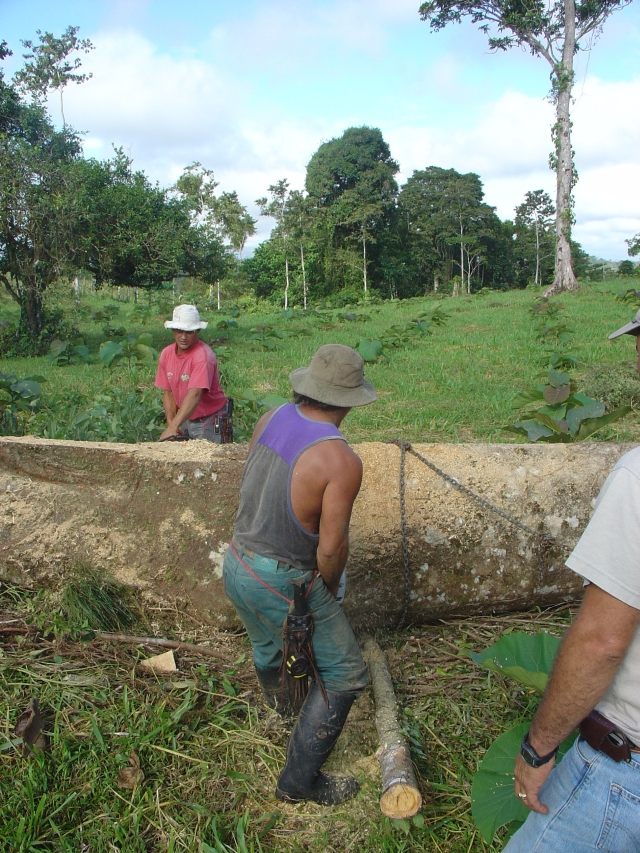
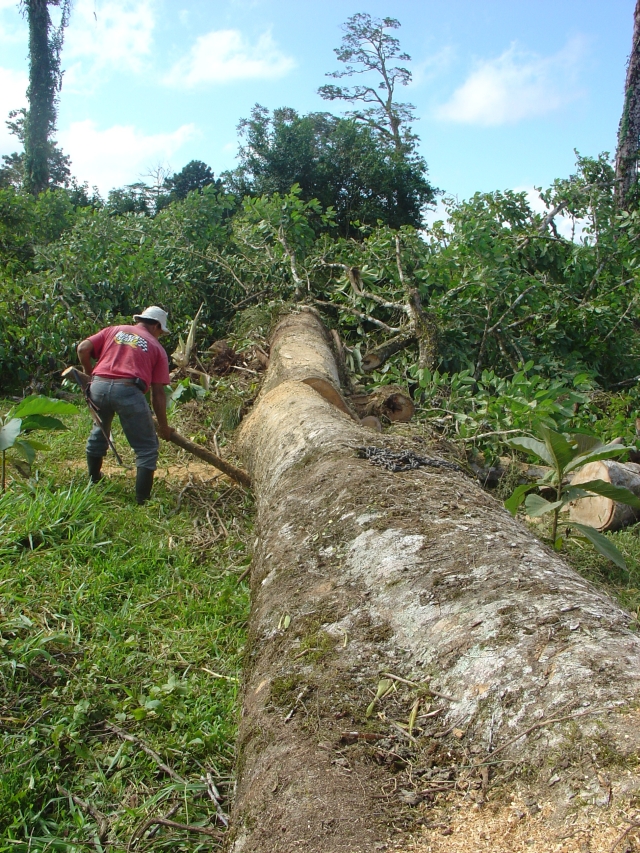
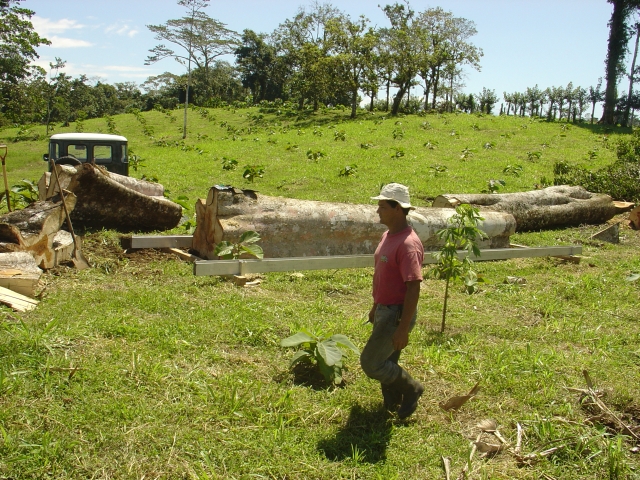
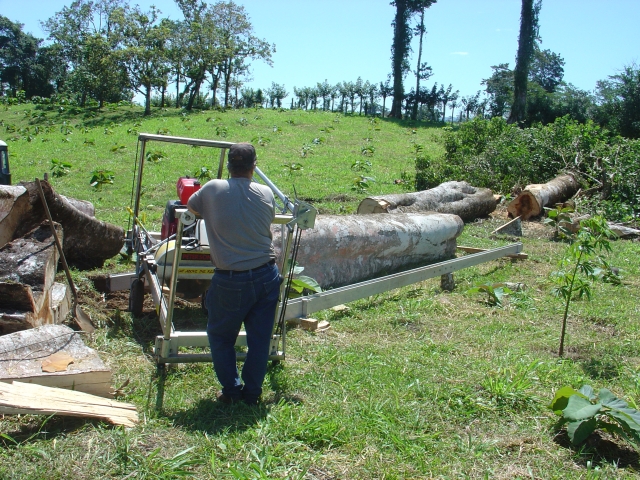
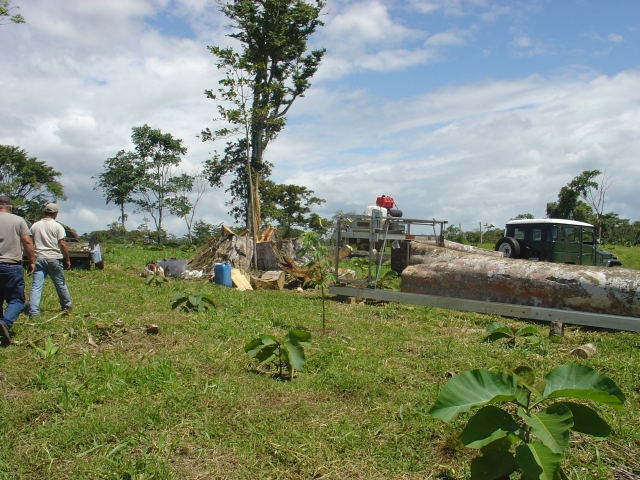
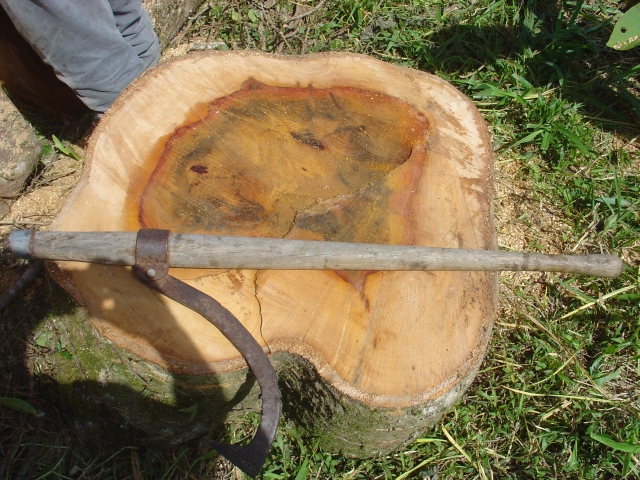
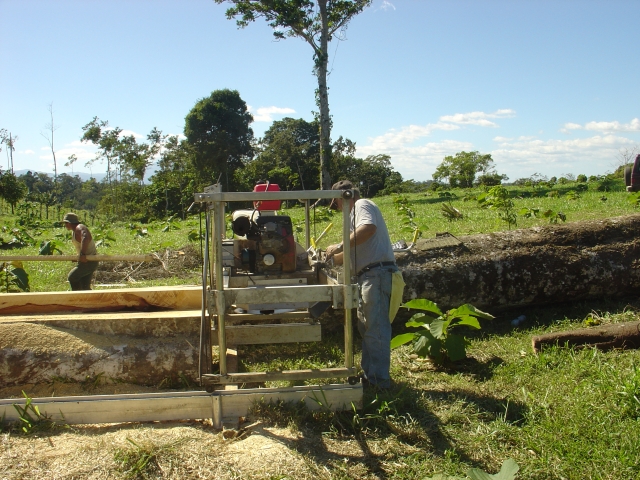
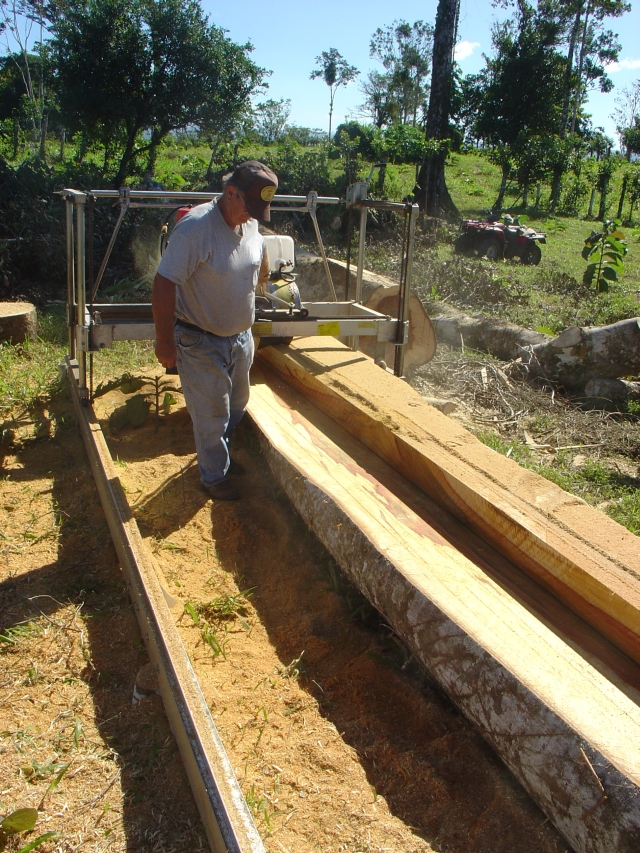
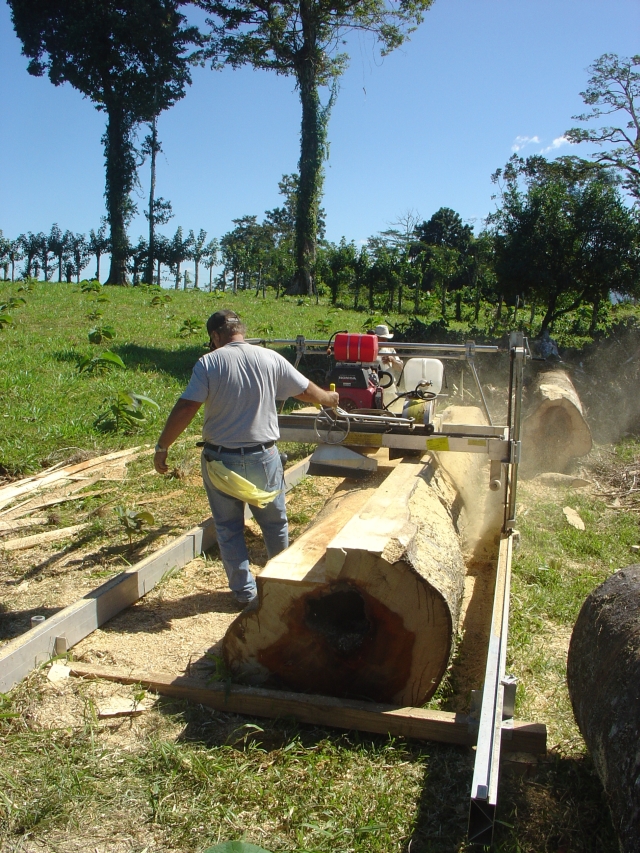
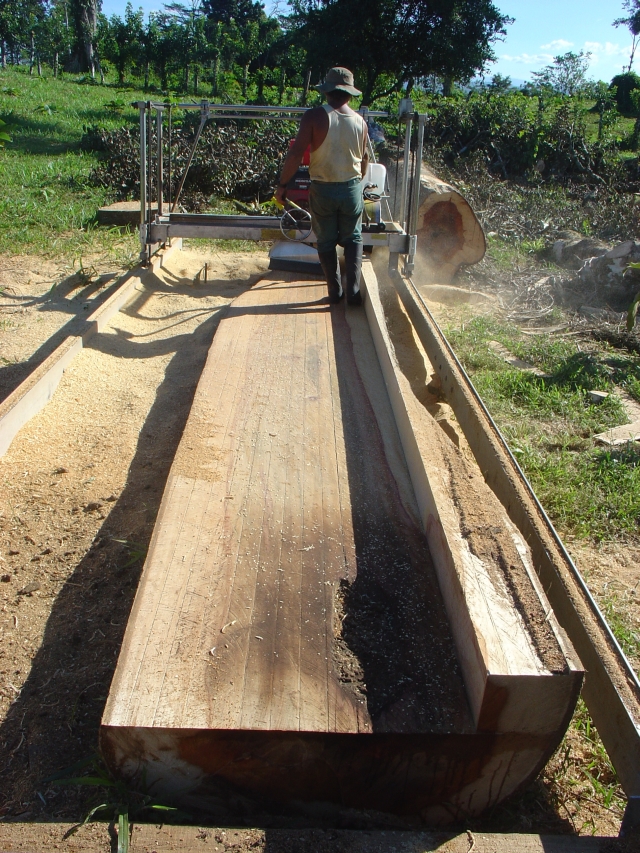
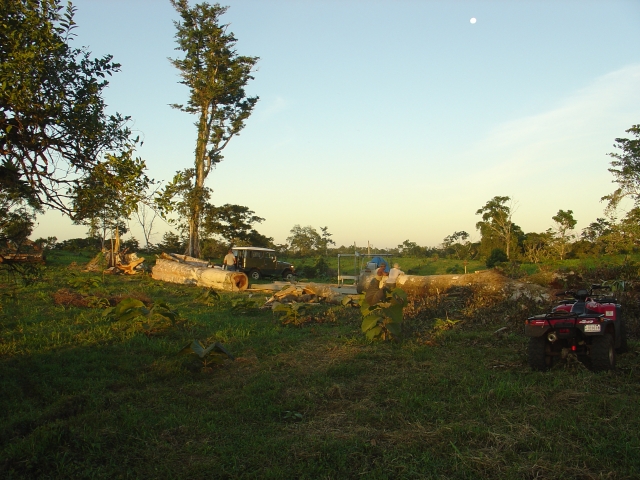
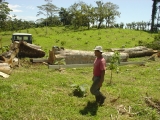
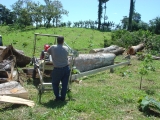
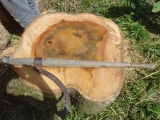
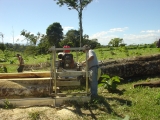
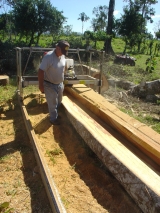
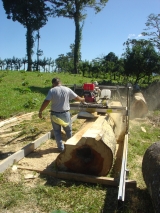
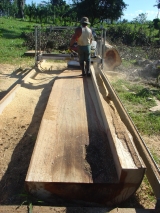
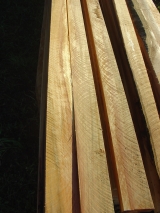
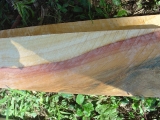
We used a portable swingblade sawmill to ecologically harvest a fallen ojoche tree on one of our farms. The saw goes right to the log, so no damage to the terrain results. Here is the story in pictures.
 |
 |
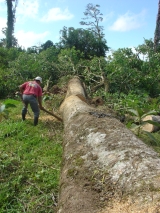 |
| Prep with chain saw |
Rolling the log section |
Positioning the section |
 |
 |
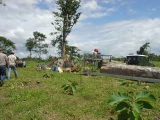 |
| Rails in position |
Moving mill onto rails |
Sawmill in postion |
 |
 |
 |
| Large diameter ojoche |
Cutting 2 x 6 beams |
Moving the saw |
 |
 |
 |
| Early cuts |
Later cuts |
Ojoche beams |
 |
 |
|
| Ojoche colors, grain |
End of a long afternoon |
|
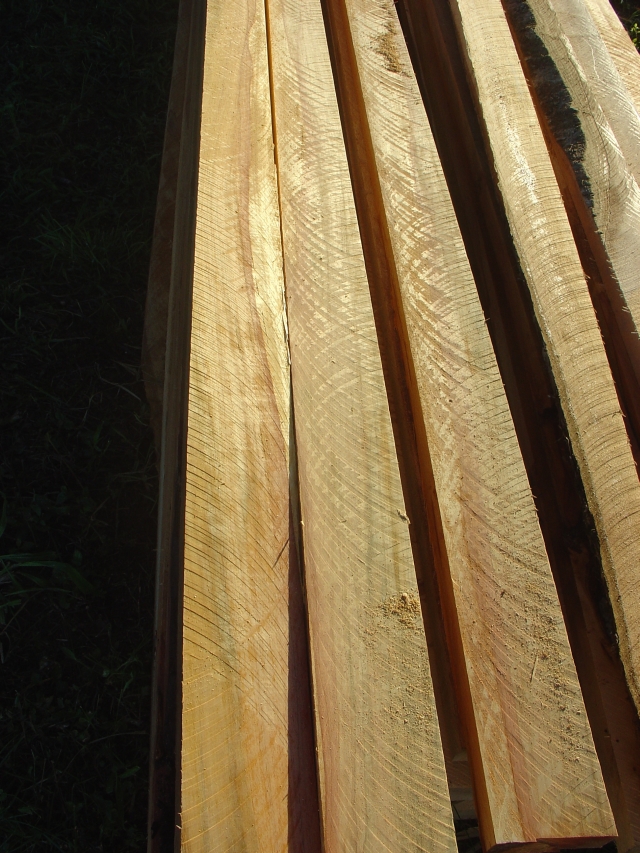
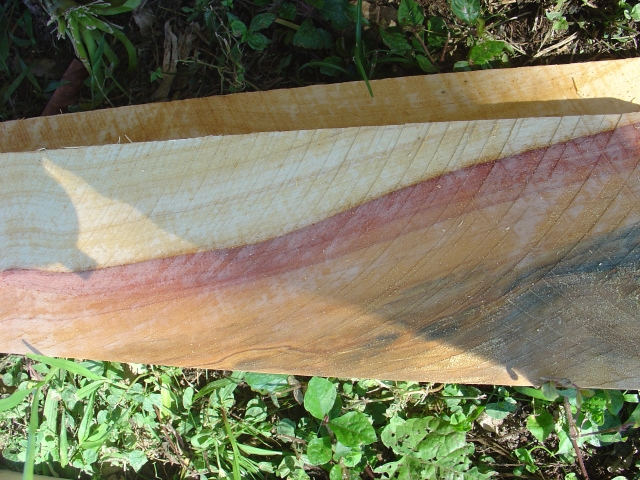
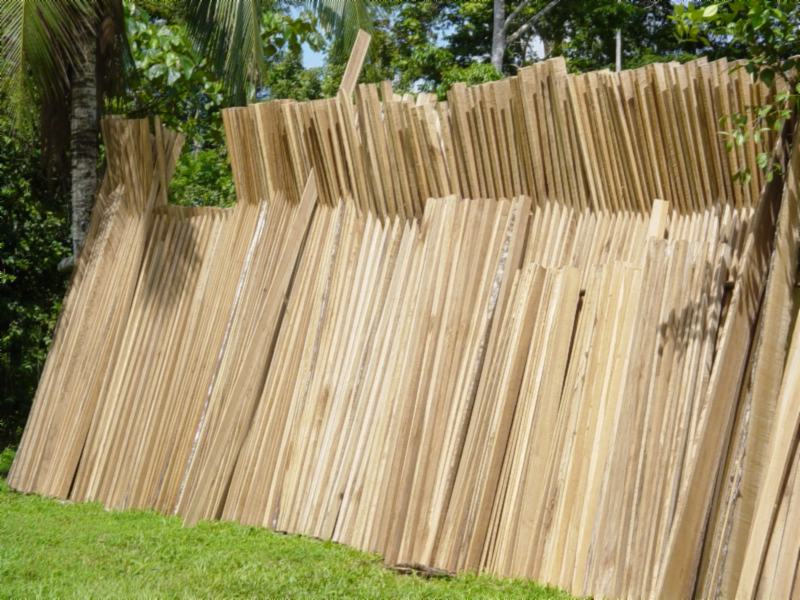
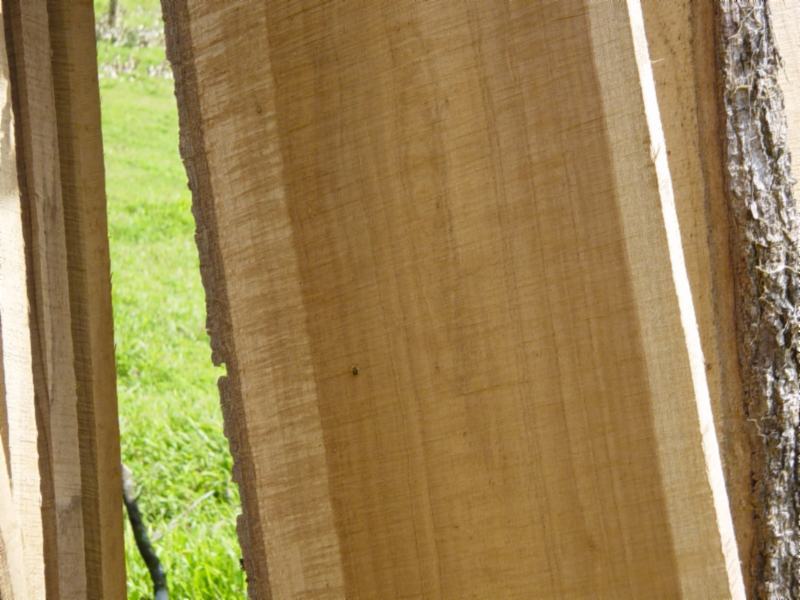
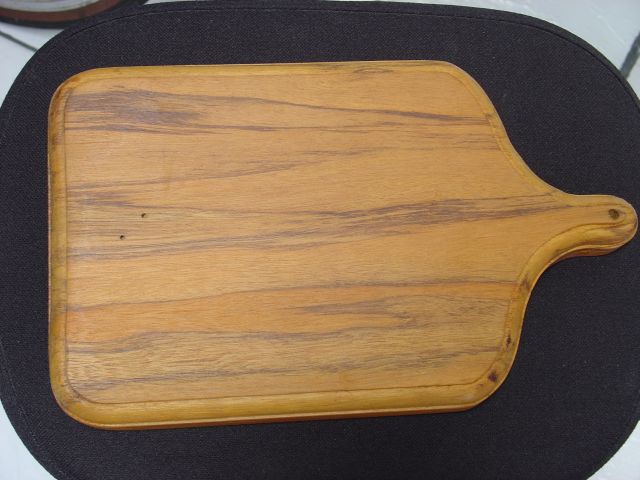
Below left, the lumber stacked to dry is laurel, and so is the board.
|
|
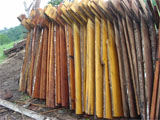
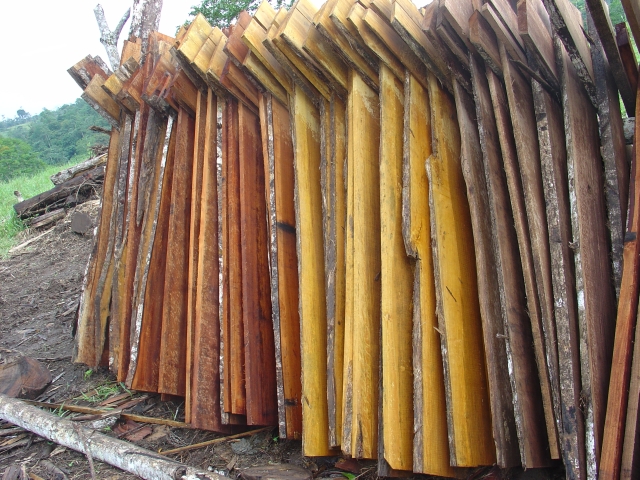
Left to right, mahogany, yema de huevo*, and laurel drying together make an attractive color combination.
|
|
|
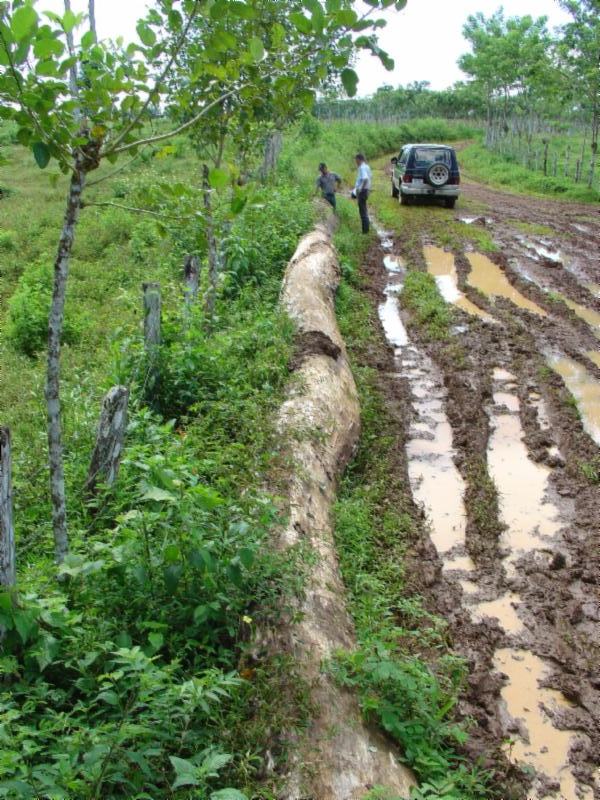
This big log is Tabebuia guayacan(corteza, of the ipe group), a very strong tropical hardwood often used for decks. |
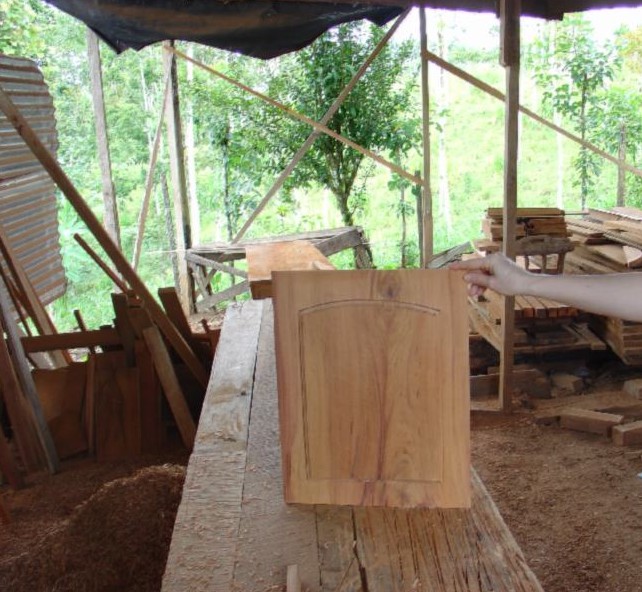
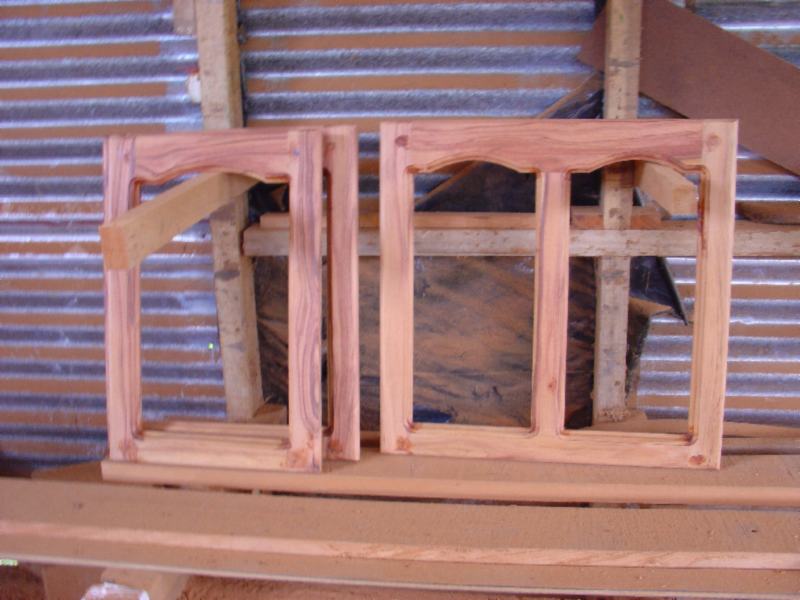
Tropical hardwood cabinet doors in progress |
|
|
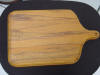 This tropical hardwood is *Chimarrhis parviflora, called yema de huevo (egg yolk) in Costa Rica. That is its natural color. This tropical hardwood is *Chimarrhis parviflora, called yema de huevo (egg yolk) in Costa Rica. That is its natural color. |